
Salafi / Ahle Hadith • Sheikh Assim Al-Hakeem
Executive Briefing: How to Pray Tahajjud (Authentic Step-by-Step Sunnah Guide)
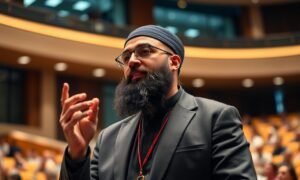
In this concise, definitive jurisprudence session on How to Pray Tahajjud Sheikh Assim Al-Hakeem, the prominent scholar provides direct, evidence-based answers explaining the authentic Sunnah method of offering the voluntary night prayer (Qiyam-ul-Layl / Tahajjud). Covering optimal timing in the last third of the night, rakat counts (praying two by two), sleep requirements, making du’a during Sujood, and concluding with Witr prayer, this guide resolves widespread doubts among worshippers seeking divine intimacy in the quiet hours.
Watch Sheikh Assim Al-Hakeem’s instructional video above while studying the complete transcript, hadith references, and practical checklist below.
1. Video Transcription: Step-by-Step Practical Rulings by Sheikh Assim Al-Hakeem
Sheikh Assim Al-Hakeem systematically explains the legal mechanics of Tahajjud based on authentic Sahih al-Bukhari and Sahih Muslim traditions:
A. Definition: Qiyam vs. Tahajjud & The Sleep Prerequisite
Spoken Guidance in Video: Sheikh Assim clarifies the linguistic and legal distinction: Qiyam-ul-Layl is a broad term encompassing any voluntary prayer offered between Isha and Fajr. Tahajjud, derived from Hujud (sleeping), technically refers to prayer performed after waking up from sleep at night. While waking up from sleep is best, one who stays awake and prays before sleeping still attains the immense reward of Qiyam.
وَمِنَ اللَّيْلِ فَتَهَجَّدْ بِهِ نَافِلَةً لَّكَ عَسَىٰ أَن يَبْعَثَكَ رَبُّكَ مَقَامًا مَّحْمُودًا
Theological Nuance: Surah Al-Isra (17:79) highlights Tahajjud as a special voluntary pathway to Maqam Mahmud (The Station of Supreme Praise).
B. Number of Rak’ahs & Method of Performance: Mathna Mathna
Spoken Guidance in Video: Sheikh Assim emphasizes that the Prophet ﷺ stated: “Salat al-layli mathna mathna” (Night prayer is offered in pairs of two). The worshipper prays two rakats, makes tasleem, then stands and prays two more. The most authentic Sunnah practiced by Prophet Muhammad ﷺ consistently was 8 rakats of Tahajjud followed by 3 rakats of Witr (totaling 11 rak’ahs), as narrated by Aisha (رضي الله عنها) in Sahih al-Bukhari. However, there is no maximum ceiling; one can pray as many pairs as one wishes.
صَلَاةُ اللَّيْلِ مَثْنَى مَثْنَى فَإِذَا خَشِيَ أَحَدُكُمُ الصُّبْحَ صَلَّى رَكْعَةً وَاحِدَةً تُوتِرُ لَهُ مَا قَدْ صَلَّى
Theological Nuance: Offering four continuous rakats with one tasleem in voluntary night prayer is discouraged according to the Hanbali and Salafi preference.
C. The Golden Window: The Last Third of the Night
Spoken Guidance in Video: Sheikh Assim explains how to calculate the last third: calculate the total hours from Maghrib to Fajr, divide by three, and subtract the final portion from Fajr time. During this sacred period, Allah SWT descends to the lowest heaven in a manner befitting His majesty and proclaims: “Who is calling upon Me, that I may answer him? Who is asking of Me, that I may give him? Who is seeking My forgiveness, that I may forgive him?” Sheikh Assim stresses pouring one’s heart out during Sujood in this period.
يَنْزِلُ رَبُّنَا تَبَارَكَ وَتَعَالَى كُلَّ لَيْلَةٍ إِلَى السَّمَاءِ الدُّنْيَا حِينَ يَبْقَى ثُلُثُ اللَّيْلِ الآخِرُ
Theological Nuance: Hadith al-Nuzul in Sahih al-Bukhari establishes divine accessibility and an open door for accepted supplications.
D. Prostration & The Climax of Intimate Supplication
Spoken Guidance in Video: Sheikh Assim al-Hakeem demonstrates that the true essence of Tahajjud is not rapid physical quantity, but deep contemplative tranquility (Tuma’ninah). The Prophet ﷺ would lengthen his standing (Qiyam), bowing (Ruku’), and prostration (Sujood) equally. Citing Sahih Muslim, Sheikh Assim reminds seekers: “Aqrabu ma yakunu al-‘abdu min Rabbihi wa huwa sajid” (The nearest a servant comes to his Lord is while in prostration). In the stillness of the night, when the rest of creation sleeps, tears shed on the prayer mat in Sujood dissolve years of accumulated spiritual grief and anxiety.
أَقْرَبُ مَا يَكُونُ الْعَبْدُ مِنْ رَبِّهِ وَهُوَ سَاجِدٌ فَأَكْثِرُوا الدُّعَاءَ
Theological Nuance: The physical descent of the forehead to the dust corresponds directly with the spiritual elevation of the soul into divine intimacy.
E. Concluding with Witr: Single, Three, or Five Rak’ah Structures
Spoken Guidance in Video: Sheikh Assim details the permissible ways of praying Witr: (1) Praying one single rak’ah independently; (2) Praying three rak’ahs continuously with only one Tashahhud and one Tasleem at the end (to avoid resembling Maghrib prayer); or (3) Praying two rak’ahs, offering Tasleem, and standing up to offer a single independent rak’ah. During the final rak’ah, reciting the Du’a al-Qunoot taught by the Prophet ﷺ to his grandson Al-Hasan ibn Ali (رضي الله عنه) completes the night’s devotion with protection against divine trials.
اللَّهُمَّ اهْدِنِي فِيمَنْ هَدَيْتَ وَعَافِنِي فِيمَنْ عَافَيْتَ وَتَوَلَّنِي فِيمَنْ تَوَلَّيْتَ
Theological Nuance: The Sunnah discourages making voluntary Witr prayer identical to Maghrib with two sittings, ensuring ritual distinctiveness.
F. Spiritual Discipline: Overcoming the Whispers of Satan at Night
Scholarly Analysis: Sheikh Assim al-Hakeem details the authentic hadith in Sahih al-Bukhari regarding the psychological obstacles to Tahajjud: when a person goes to sleep, Satan ties three knots at the back of his head, whispering on each knot: “You have a long night ahead, so sleep.” When the believer awakens and remembers Allah with dhikr, the first knot is untied. When he performs Wuzu, the second knot is untied. When he stands and offers two rakats of prayer, the third knot is completely dissolved. As a result, the worshipper greets the morning energetic, joyous, and serene (Tayyib an-Nafs), whereas one who remains asleep awakens sluggish, agitated, and spiritually depressed (Khabith an-Nafs).
يَعْقِدُ الشَّيْطَانُ عَلَى قَافِيَةِ رَأْسِ أَحَدِكُمْ إِذَا هُوَ نَامَ ثَلَاثَ عُقَدٍ
Theological Nuance: The physical act of night purification directly shatters demonic psychological anchors, restoring emotional equilibrium and spiritual fortitude.
2. Sapiotic Scholarly Analysis: Night Prayer Categories
| Prayer Form | Timing & Conditions | Recommended Rakat Pattern |
|---|---|---|
| Qiyam-ul-Layl (General) | Any time after Isha until Fajr. Sleep prior is not mandatory. | Minimum 2 rak’ahs; no upper limit. Prayed 2 by 2. |
| Tahajjud (Specific) | Performed specifically after sleeping and waking up, ideally in the last third. | 8 rak’ahs (in sets of 2) + 3 rak’ahs Witr (Prophetic standard). |
| Witr (Odd Prayer) | The final prayer of the night. If prayed earlier, do not repeat. | 1, 3, or 5 rak’ahs concluding the entire night’s worship. |
3. Common Mistakes Regarding Tahajjud Prayer
-
Praying Witr Twice in One Night:
If you prayed Witr after Isha and wake up for Tahajjud, pray in sets of 2 rakats without repeating Witr. The Prophet ﷺ said: “La witrani fi laylatin wahidah” (There are no two Witrs in a single night). -
Overexerting and Missing Obligatory Fajr:
Praying voluntary Tahajjud until exhaustion and sleeping through the obligatory (Fard) Fajr prayer is a grave spiritual error. Fard always takes absolute legal precedence.
4. Video Timestamp Reference Guide (-Q9BVvl7y-w)
| Timestamp | Video Segment | Core Ruling Clarification |
|---|---|---|
| 00:00 – 01:10 | Tahajjud Timing & Sleep Condition | Must one sleep first, and when does the window start? |
| 01:11 – 02:45 | How Many Rak’ahs to Pray | Two by two structure and following the 11 rak’ah Sunnah. |
| 02:46 – 04:20 | Handling Witr if Already Prayed | Prohibition of repeating Witr and finishing with even rakats. |
5. Frequently Asked Questions (FAQ)
Q: Can I make du’a in English during Sujood in Tahajjud?
In voluntary (Nafl) prayers like Tahajjud, scholars including Sheikh Assim al-Hakeem confirm that if you cannot formulate your needs in Arabic, you may supplicate in your native language while in Sujood.
Related Publications & Curriculum Pillars


Related Research & Authoritative Analyses
- › The Seerah as a Blueprint for Modern Crisis Management: Dr. Yasir Qadhi on Prophetic Wisdom, Emotional Maturity & Faith 2027
- › The Alchemy of Happiness & Purifying the Ego: Imam Al-Ghazali on Spiritual Awakening & Inner Metamorphosis 2027
- › Sultan Salahuddin Ayyubi Aur Ishq e Rasool: Baitul Muqaddas Ki Fatah Aur Sabaq (Khadim Hussain Rizvi)
- › The Ethics of Islamic Finance and Riba Prohibition: Complete Definitive Guide & Analysis (2026)