Theological & Epistemic Briefing: Saint Thomas Aquinas (1225–1274), the Doctor Angelicus of the Catholic Church, achieved the definitive synthesis of Aristotelian natural philosophy and Christian revelation. His monumental Summa Theologiae articulates the foundational principle that ‘grace does not destroy nature, but perfects it’ (gratia non tollit naturam, sed perficit), grounding faith upon a rigorous edifice of natural theology, the Five Ways (Quinque Viae), and analogical predication.
Historical Context & Doctrinal Lineage
The profound thought of Saint Thomas Aquinas marks a decisive turning point in the intellectual history of Christianity (Scholasticism / Thomism / Philosophical Theology). By reconciling acute philosophical inquiry with transcendent revelation, this work established enduring epistemological benchmarks for generations of subsequent thinkers.
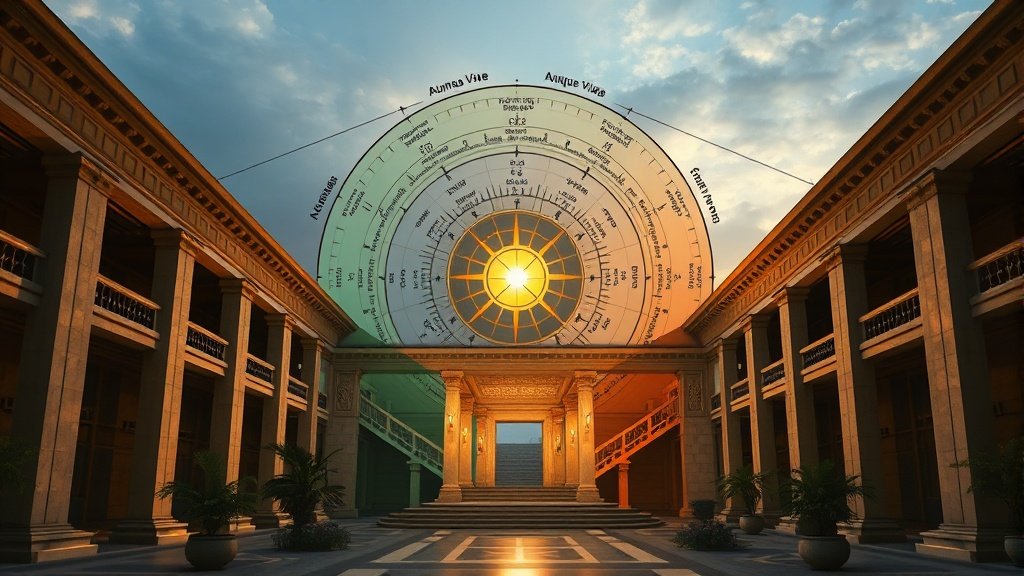
Figure: Conceptual Metaphysical Framework & Dialectical Architecture of Saint Thomas Aquinas.
Core Theological Pillars & Epistemology
To fully comprehend the lasting impact of this masterwork, scholars analyze four central metaphysical and epistemic pillars that elucidate the relationship between divine reality, human consciousness, and moral duty:
Gratia Perficit Naturam (Grace Perfects Nature)
Human reason and natural law provide a genuine, objective substrate of truth that is crowned and elevated—not abolished—by divine revelation and supernatural grace.
The Quinque Viae (The Five Ways)
Five cosmological proofs demonstrating God as Unmoved Mover, First Efficient Cause, Necessary Being, Supreme Standard of Perfection, and Ultimate Teleological Governor.
Actus Purus & Divine Simplicity
God is not an entity within the cosmos, but the subsistent act of being itself (Ipsum Esse Subsistens), without composition of essence and existence, matter and form, or potentiality.
The Doctrine of Analogy (Analogia Entis)
Religious language about God is neither univocal (crude anthropomorphism) nor equivocal (pure agnosticism), but analogical, allowing real yet proportional statements about divine perfections.
Comparative Epistemic Matrix
The matrix below outlines the primary theological doctrines of Saint Thomas Aquinas against contrasting paradigms across world religious philosophy:
| Dimension | Saint Thomas Aquinas’s Synthesis | Philosophical & Modern Relevance |
|---|---|---|
| Ultimate Epistemic Authority | Demonstrative Harmony of Reason & Sacred Text | Overcomes both blind literalist fundamentalism and dry reductionist secularism. |
| Cosmic Relationship | Divine Immanence Grounding Real Causality | Affirms the reality of human responsibility and scientific intelligibility. |
| Spiritual Destiny | Loving Devotion, Right Action & Contemplation | Provides experiential fulfillment transcending theoretical abstraction. |
Frequently Asked Questions
What is the primary contribution of Saint Thomas Aquinas to Christianity?
How does this framework address modern ethical and existential dilemmas?
Related Publications & Curriculum Pillars


Related Research & Authoritative Analyses
- › Mool Mantar Hermeneutics & Gurmat Gian: Giani Sant Singh Maskeen on Shabad Braham, Naam Simran & Divine Epistemology 2027
- › Saint Francis of Assisi: Canticle of the Creatures, Radical Simplicity & Ecological Theology 2027
- › Making a Good Confession: Father Mike Schmitz on the Sacrament of Reconciliation and Overcoming Shame
- › Seven Deadly Sins and Seven Lively Virtues: Bishop Robert Barron on Pride, Humility, and Spiritual Healing