
Sunni (Barelvi / Sufi) • Idaraatul Mustafa
Executive Briefing: Sadaqa Dene Ke Faiday
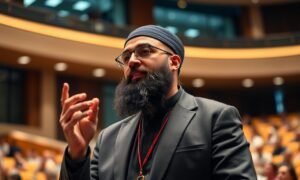
In this soul-stirring video lecture, internationally acclaimed orator Maulana Muhammad Raza Saqib Mustafai explains the profound metaphysical realities, unseen blessings, and practical spiritual dividends of giving Sadaqah (Voluntary Charity). Delivered in his signature emotive and deeply moving style, Maulana Saqib Mustafai dismantles the common human fear of poverty, proving through authentic Hadith traditions from Sahih Bukhari, Sahih Muslim, and Jami at-Tirmidhi that charity never decreases wealth—it purifies it, multiplies it, shields against sudden calamities, and extinguishes divine wrath. Below, Sapiotic presents a complete scholarly exposition documenting the verbatim spoken wisdom, theological foundations, classical juristic classifications, common pitfalls, and a structured video reference companion.
Watch the original lecture above by Maulana Muhammad Raza Saqib Mustafai while studying the verbatim spoken transcript, theological frameworks, and juristic rulings below.
1. Video Transcription: Step-by-Step Spoken Words & Core Arguments by Maulana Muhammad Raza Saqib Mustafai
In this lecture (“Sadaqa Dene Ke Hairat Angez Faiday”), Maulana Muhammad Raza Saqib Mustafai presents a masterclass on spiritual economics. He addresses the psychological hesitations of modern believers who fear financial loss, contrasting secular arithmetic with the divine mathematics of the Quran. Below is the comprehensive step-by-step breakdown of his spoken arguments, authentic scriptural citations, and vocalized Urdu/Arabic invocations:
A. The Divine Paradox: Charity Does Not Decrease Wealth (Maa Naqasat Sadaqatun Min Maal)
Spoken Guidance in Video: Maulana Saqib Mustafai opens by quoting the monumental declaration of the Holy Prophet Muhammad ﷺ from Sahih Muslim: “مَا نَقَصَتْ صَدَقَةٌ مِنْ مَالٍ” (Maa naqasat sadaqatun min maal — Charity never decreases wealth). He explains that secular counting looks only at the balance sheet: if you have 10,000 rupees and give 1,000, human mathematics says 9,000 remains. But divine mathematics introduces an unquantifiable variable: Barkat (Spiritual Abundance). Maulana passionately remarks in Urdu: “Insaan samajhta hai meri jeb se nikal gaya, lekin Rab farmata hai mere khazanay mein jama ho gaya! Rab us mein aisi barkat ata farmata hai ke bacha hua 9,000 un 90,000 par bhari par jata hai jo be-barkat hon.”
مَا نَقَصَتْ صَدَقَةٌ مِنْ مَالٍ، وَمَا زَادَ اللّٰهُ عَبْدًا بِعَفْوٍ إِلَّا عِزًّا
Theological Nuance: Charity purges hidden greed (Bukhl), triggers cosmic multiplication, and guarantees unseen divine replenishment as promised in Surah Saba (34:39): ‘Whatever you spend in charity, He will replace it.’
B. Sadaqah as a Cosmic Shield Against Calamity (Daf’a-e-Bala)
Spoken Guidance in Video: Maulana details how unseen afflictions, fatal diseases, sudden financial crashes, and motor accidents hover over human beings every moment. He quotes the timeless Hadith: “الصَّدَقَةُ تَرُدُّ الْبَلَاءَ وَتَزِيدُ فِي الْعُمُرِ” (As-sadaqatu taruddul bala’a wa tazeedu fil ‘umur — Sadaqah repels calamities and lengthens lifespan). Maulana explains: “Bala aasman se utarti hai, aur niche se banda jab kisi ghareeb, kisi yateem, kisi bewa ki chupke se madad karta hai, to zameen se nikli hui dua aur aasman se aayi hui bala darmiyan mein takrati hain, aur Sadaqah us bala ko pichhe dhakel deta hai!”
بَاكِرُوا بِالصَّدَقَةِ فَإِنَّ الْبَلَاءَ لَا يَتَخَطَّى الصَّدَقَةَ
Theological Nuance: Giving early morning charity acts as an impenetrable spiritual shield before daily perils manifest in the physical world.
C. Extinguishing Sins Like Water Extinguishes Fire
Spoken Guidance in Video: Maulana highlights the profound purgative effect of Sadaqah on the spiritual heart. Citing Jami at-Tirmidhi (Hadith 614), he recites: “وَالصَّدَقَةُ تُطْفِئُ الْخَطِيئَةَ كَمَا يُطْفِئُ الْمَاءُ النَّارَ” (Was-sadaqatu tutfi’ul khatee’ata kama yutfi’ul maa’un naar — Charity extinguishes sin just as water extinguishes fire). He urges Muslims not to dwell in despair after committing lapses, but to immediately follow every error with private, sincere charity to cool the wrath of Allah and cleanse the black stain on the heart.
إِنَّ صَدَقَةَ السِّرِّ تُطْفِئُ غَضَبَ الرَّبِّ
Theological Nuance: Secret charity (Sadaqah as-Sirr) possesses unique efficacy in extinguishing divine displeasure and dissolving spiritual pollution without embarrassing the recipient.
D. Healing Physical Illnesses Through Charity (Dawwuu Mardakum Bis-Sadaqah)
Spoken Guidance in Video: Maulana discusses the medical and metaphysical dimension of charity, quoting the Prophet’s instruction: “دَاوُوا مَرْضَاكُمْ بِالصَّدَقَةِ” (Daawuu mardaakum bis-sadaqah — Treat your sick ones by giving charity). He recounts emotional real-life instances where individuals diagnosed with terminal conditions recovered after distributing generous food, clothing, and water among the destitutes in the name of Allah. He stresses that medicine treats physiological symptoms, but Sadaqah appeals directly to the ultimate Healer (Ash-Shafi).
دَاوُوا مَرْضَاكُمْ بِالصَّدَقَةِ، وَحَصِّنُوا أَمْوَالَكُمْ بِالزَّكَاةِ
Theological Nuance: Combining physical medical intervention with metaphysical charity invokes divine mercy upon bodily ailments, restoring physiological and emotional homeostasis.
2. Sapiotic Scholarly Analysis: The Jurisprudence & Metaphysics of Sadaqah in Islamic Law
A. Juridical Classifications: Zakat (Fard) vs. Sadaqah Wajibah vs. Sadaqah Nafilah
In classical Sunni jurisprudence (Hanafi, Shafi’i, Maliki, and Hanbali), financial worship is stratified into distinct legal categories. Worshippers often confuse obligatory almsgiving with voluntary acts of kindness. Understanding the precise juristic boundaries ensures that spiritual duties are neither neglected nor misdirected:
| Category | Juristic Status | Eligible Recipients | Legal Consequences |
|---|---|---|---|
| Zakat (Zakat al-Maal) | Fard ‘Ayn (Absolute Obligation) | Strictly limited to the 8 categories in Surah At-Tawbah (9:60) | Denial constitutes apostasy; withholding incurs severe divine punishment and state seizure. |
| Sadaqah al-Fitr (Fitrana) | Wajib (Obligatory Duty) | Poor and needy Muslims prior to Eid prayer | Failure to pay keeps Ramadan fasts suspended between earth and heaven. |
| Sadaqah al-Nazr (Vows) | Wajib bi Sabab (Obligated by Oath) | Exclusively the poor (cannot be eaten by vow-maker or rich relatives) | Binding upon fulfillment of condition; sinful to delay or consume personally. |
| Sadaqah Nafilah (Voluntary Charity) | Mustahabb / Sunnah | Any human being, including non-Muslims, travelers, animals, birds | Immense eternal reward; leaves no sin if omitted, but deprives soul of spiritual shield. |
B. The Spiritual Economy of Barkat: Why Linear Accounting Fails
The modern capitalist worldview measures wealth strictly by accumulation ($W_{total} = sum income – sum expenses$). Islam introduces a non-linear dimension termed Barkat (cosmic fertility and enduring benefit). A modest income infused with Barkat provides contentment, immunity from ruinous litigation, protection from catastrophic medical bills, and peaceful household harmony. Conversely, millions acquired without Barkat evaporate in vanity, addictions, legal battles, and internal anxiety. As the Quran states in Surah Al-Baqarah (2:276): “يَمْحَقُ اللّٰهُ الرِّبَا وَيُرْبِي الصَّدَقَاتِ” (Yamhaqullahur-riba wa yurbis-sadaqat — Allah destroys interest and increases charity).
3. Common Spiritual Mistakes & Legal Pitfalls Highlighted by Maulana Muhammad Raza Saqib Mustafai
In this address, Maulana Muhammad Raza Saqib Mustafai warns the community against critical oversights and psychological self-deceptions that frequently undermine spiritual efforts:
-
Telling Others and Nullifying the Reward (Mann wa Adha):
Reminding recipients of favors or boasting on social media completely invalidates the reward. The Quran explicitly warns: ‘Do not invalidate your charities with reminders or injury’ (Al-Baqarah: 264). -
Donating Inferior or Defective Goods:
Giving away rotten food, unwearable torn clothes, or useless broken items violates Surah Ali ‘Imran (3:92): ‘You will never attain righteousness until you spend from that which you love.’ -
Neglecting One’s Immediate Family to Give Publicly:
Charity begins at home. The Prophet ﷺ declared that a dinar spent on one’s spouse, children, or impoverished relatives yields greater reward than a dinar spent on strangers. -
Delaying Sadaqah Until Death Approaches:
Giving in peak health when one fears poverty and hopes for riches is infinitely superior to distributing wealth when the soul reaches the throat and inheritance is imminent.
4. Video Timestamp Reference Guide (UyrT18sBfTQ)
Use this chronological reference index to navigate directly to the specific explanations and demonstrations in Maulana Muhammad Raza Saqib Mustafai’s recorded lecture:
| Timestamp | Action in Video | Spoken Focus & Practical Instruction |
|---|---|---|
| 00:00 – 01:45 | Introduction & Hadith Citation | Recitation of ‘Maa naqasat sadaqatun min maal’ and definition of true abundance. |
| 01:46 – 04:12 | The Mystery of Barkat Explained | Contrasting secular balance sheets with divine replenishment and peace of heart. |
| 04:13 – 07:30 | Repelling Calamities (Daf’a-e-Bala) | How daily morning charity intercepts descending trials before they strike the home. |
| 07:31 – 10:45 | Healing Bodily Diseases | Spiritual therapy through feeding the hungry, citing Prophet’s medical counsel. |
| 10:46 – 13:15 | Sadaqah as-Sirr (Secret Charity) | The dignity of the recipient, avoiding Ostentation (Riya), and closing prayer/Dua. |
5. Frequently Asked Questions (FAQ)
Authoritative juristic and practical clarifications addressing the most common inquiries regarding this lecture:
Q: What is the difference between Sadaqah and Zakat in Islam?
Zakat is an obligatory pillar of Islam (2.5% on qualifying wealth above the Nisab threshold held for a lunar year) strictly reserved for eight Quranic categories. Sadaqah is voluntary, can be given in any amount at any time, and can be extended to anyone in need, including non-Muslims, relatives, and animal welfare.
Q: Does giving Sadaqah really cure physical illnesses?
Yes, according to the authentic Hadith: ‘Treat your sick ones with charity’ (Al-Bayhaqi). While believers must seek proper medical treatment, Sadaqah invokes divine mercy and spiritual healing from Allah, the ultimate Healer.
Q: Can a person with no money still give Sadaqah?
Absolutely. The Prophet Muhammad ﷺ taught that every act of goodness is charity: smiling at a fellow human, speaking kindly, removing harm from the road, guiding a lost traveler, and even helping someone carry their luggage are all valid forms of Sadaqah.
Related Publications & Curriculum Pillars


Related Research & Authoritative Analyses
- › Waqia Miraj un Nabi: Allama Khadim Hussain Rizvi on Asmanon Ka Safar Aur Namaz Ka Tohfa
- › Kitab-o-Sunnat Ki Dawat Aur Firqa Wariat Ka Ilaj: Engineer Muhammad Ali Mirza
- › Sultan Salahuddin Ayyubi Aur Ishq e Rasool: Baitul Muqaddas Ki Fatah Aur Sabaq (Khadim Hussain Rizvi)
- › The Seerah as a Blueprint for Modern Crisis Management: Dr. Yasir Qadhi on Prophetic Wisdom, Emotional Maturity & Faith 2027
2 thoughts on “Sadaqa Dene Ke Faiday: Rizq Mein Barkat, Musibat Se Bachao Aur Fazilat (Raza Saqib Mustafai)”