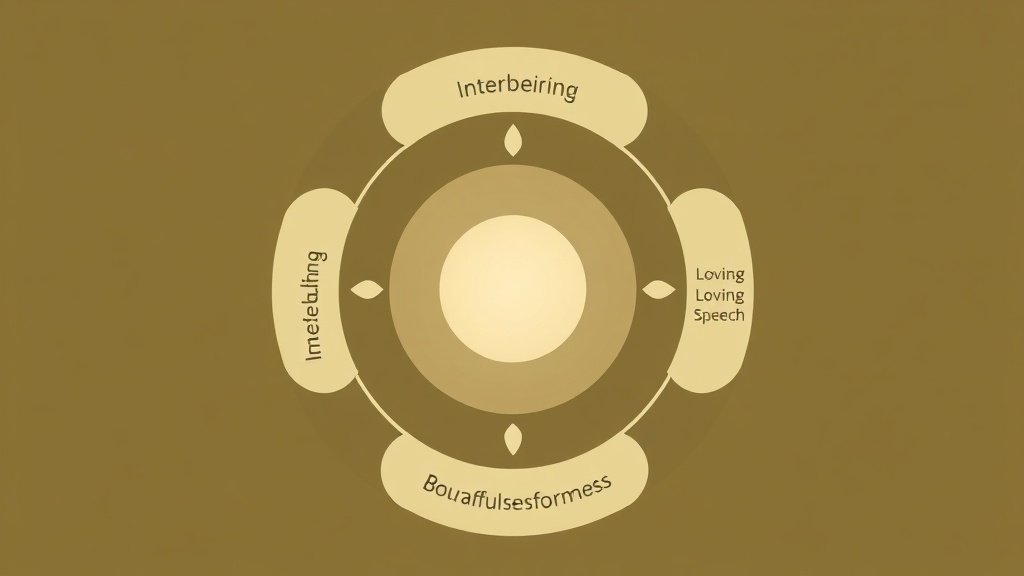
Executive Briefing: Thich Nhat Hanh’s core teaching centers on Interbeing (co-arising): nothing exists in isolation. Through mindful breathing, slow walking, and deep listening, practitioners cultivate the energy of mindfulness to transform suffering into compassion.
Philosophical Lineage & Theological Authority
Thich Nhat Hanh (1926–2022), beloved Vietnamese Zen master, author, and peace activist, founded the Plum Village tradition and popularized Engaged Buddhism worldwide.
Scholarly Comparative Framework
To illuminate how these principles reform traditional praxis, the following comparative framework analyzes the paradigm shift introduced by this discourse:
| Dimension | Conventional Conception | Scholarly Synthesis |
|---|---|---|
| Perception of Self | Isolated individual ego | Interbeing: Co-existing with all elements of the cosmos |
| Dealing with Anger | Suppression or aggressive venting | Embracing anger mindfully like a mother holding a crying child |
| Spiritual Practice | Monastic withdrawal from society | Engaged Buddhism: Bringing peace directly into daily civic action |
Metaphysical & Practical Life Applications
Translating these ancient epistemologies into high-stress modern realities requires systematic behavioral discipline. Spiritual masters across traditions converge on the fundamental truth that mental peace is not an accident of circumstance, but an intentional cultivation of sovereign inner awareness.
- Daily Epistemic Hygiene: Prioritizing morning contemplation, silent meditation, or liturgical scripture reflection before engaging with digital notifications.
- Cognitive Non-Attachment: Observing sensory stimuli, emotional triggers, and social pressures without compulsively reacting or identifying with egoic impulses.
- Active Compassion (Seva / Charity): Channeling inner equilibrium into selfless service and tangible community uplift, reconciling personal enlightenment with public welfare.
Frequently Asked Questions (FAQ)
What does Interbeing mean in Buddhism?
Interbeing is the Buddhist truth that you cannot be by yourself alone; you have to inter-be with everything else. A flower is made of non-flower elements like sunlight, rain, and soil.
How did Thich Nhat Hanh practice mindful breathing?
Through conscious phrases like: ‘Breathing in, I calm body and mind. Breathing out, I smile. Dwelling in the present moment, I know this is the only moment.’
Related Publications & Curriculum Pillars


Related Research & Authoritative Analyses
- › The Emptiness of Emptiness: Acharya Nagarjuna on Mulamadhyamakakarika, Sunyata & The Middle Way 2027
- › Kindfulness, Radical Letting Go & Jhana Stillness: Ajahn Brahm on the Thai Forest Tradition & Overcoming Mental Burden 2027
- › Befriending Panic and Anxiety Through Meditation: Yongey Mingyur Rinpoche on Awareness
- › The Primordial Purity & The Rainbow Body: Padmasambhava on Dzogchen, Trekchö & The Bardo Thödol 2027