Executive Theological Briefing
Tradition: Judaism — Hellenistic Jewish Philosophy / Allegorical Hermeneutics / Logos Theology
Central Summit: Philo of Alexandria
Core Doctrinal Focus: Philo of Alexandria Logos Allegorical Exegesis Torah
Historical & Epistemological Context
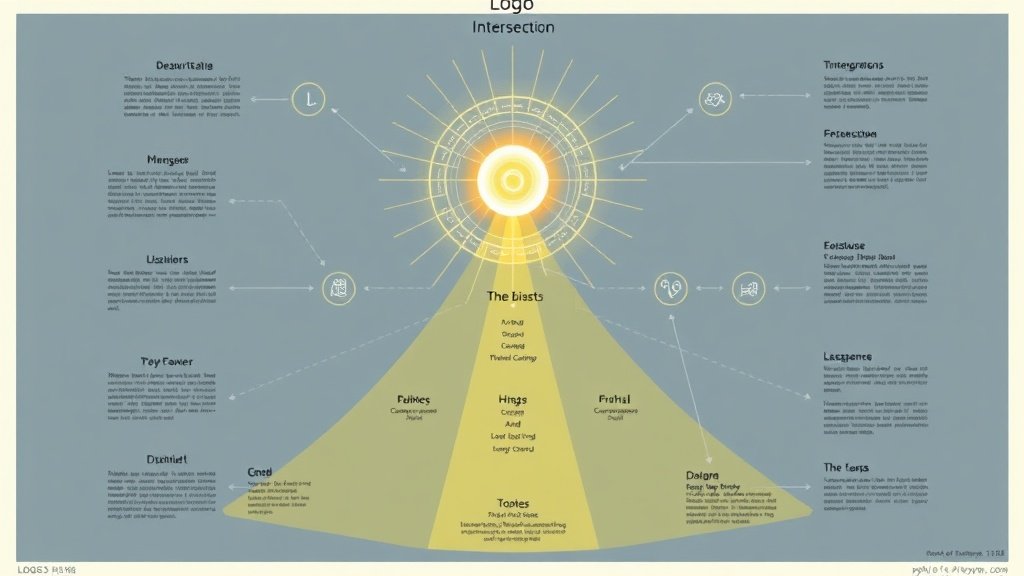
Philo of Alexandria (c. 20 BCE – c. 50 CE), the foremost intellectual luminary of Hellenistic Judaism, stood at the vibrant intersection of Jerusalem and Athens. In a monumental corpus of philosophical exegesis, Philo deployed allegorical interpretation to demonstrate that the Torah of Moses anticipated and surpassed the highest insights of Platonism, Stoicism, and Pythagoreanism. At the center of his cosmological architecture lies the ‘Logos’—the Divine Reason, Word, and Creative Pattern through which the utterly transcendent God creates, sustains, and communicates with the finite cosmos.
Foundational Doctrinal Principles
The philosophical architecture of Philo of Alexandria rests upon rigorous ontological, epistemological, and ethical coordinates that have shaped human intellectual history:
The Transcendent God & Negative Theology
God is absolutely unconditioned, eternal, and beyond human names, categories, or anthropomorphic limitations, known solely through Divine activities rather than essence.
The Divine Logos (The Eldest Son of God)
The Logos is the primordial intermediary between the infinite Creator and finite creation: the archetype of ideal forms, the rational blueprint of the universe, and the eternal light guiding human intellect.
Allegorical Hermeneutics (The Soul’s Ascent)
Biblical narratives contain multiple layers: while the literal text governs communal ethics, the allegorical dimension decodes the soul’s inward ascent from sensory bondage (Egypt) to contemplative union with Truth (The Promised Land).
The Contemplative Ideal (Therapeutae & Vision of God)
True worship culminates in ecstatic contemplation (Theoria). As portrayed in his study of the monastic Therapeutae, human perfection is attained through detachment, ethical purity, and spiritual meditation upon the Divine.
Comparative Epistemic Matrix
The matrix below highlights the distinctive insights of Philo of Alexandria in dialogue with overarching themes in global religious philosophy:
| Dimension | Philo of Alexandria’s Synthesis | Philosophical & Modern Significance |
|---|---|---|
| Ultimate Reality & Consciousness | Supreme Immanence Grounded in Pure Absolute Transcendence | Dismantles cold intellectualism, unveiling the sacred mystery present within lived experience. |
| The Human Condition & Moral Duty | Radical Equality, Active Ethical Responsibility & Pure Devotion | Overcomes social fragmentation, bigotry, and empty external ritualism. |
| Spiritual Destiny & Fulfillment | Complete Self-Realization in the Uncreated Divine Light | Resolves existential anxiety and alienation through unitive peace. |
Frequently Asked Questions
What is the primary contribution of Philo of Alexandria to Judaism?
How does this framework address contemporary existential questions?
Related Publications & Curriculum Pillars



Related Research & Authoritative Analyses
- › Talmudic Dialectics & Kabbalistic Epistemology: Rabbi Adin Steinsaltz on The Thirteen Petalled Rose & Divine Strife 2027
- › Martin Buber and The Philosophy of Dialogue: Complete Definitive Guide & Analysis (2026)
- › The Thirteen Petalled Rose & Kabbalistic Psychology: Rabbi Adin Steinsaltz on The Four Worlds & Divine Mystery 2027
- › The Dignity of Difference & Covenantal Hope: Rabbi Lord Jonathan Sacks on Moral Leadership, Pluralism & Society 2027