Theological & Epistemic Briefing: Rabbi Moses ben Maimon (1138–1204), known universally as the Rambam or Maimonides, stands as the intellectual titan of medieval Jewish thought. In his masterwork ‘The Guide for the Perplexed’ (Moreh Nevukhim), written in Judeo-Arabic, Maimonides sought to rescue rational seekers from the psychological crisis caused by the literal reading of anthropomorphic biblical descriptions, establishing an uncompromising apophatic (negative) theology that affirms God’s absolute unity and transcendence.
Historical Context & Doctrinal Lineage
The philosophical discourse of Moses Maimonides (Rambam) occupies a transformative juncture in the intellectual history of Judaism (Medieval Philosophy / Rationalism / Halakhah). By confronting existential skepticism, rationalism, and spiritual complacency, this master framework established enduring benchmarks for spiritual inquiry and hermeneutic rigor.
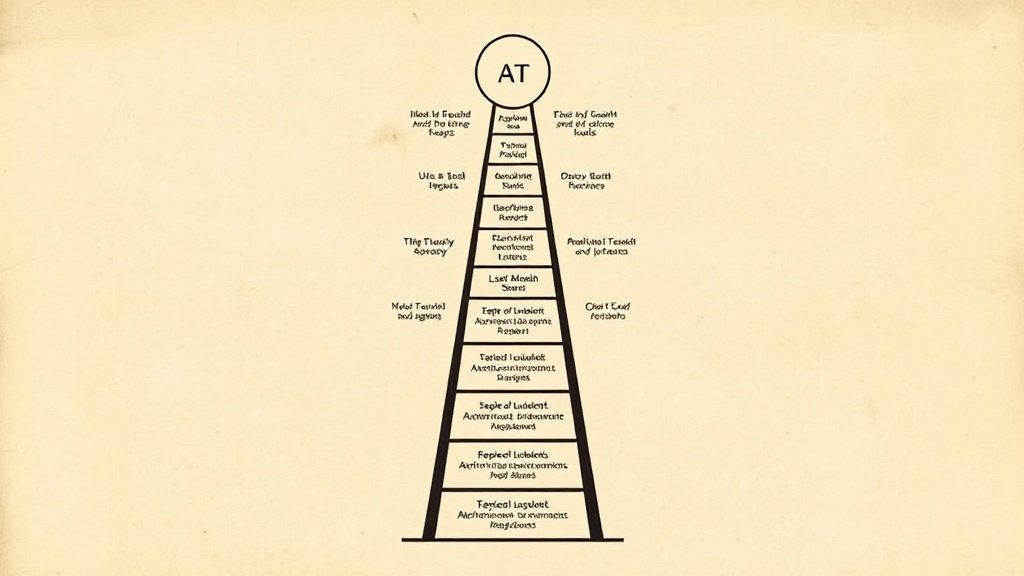
Figure: Conceptual Epistemic Framework & Dialectical Architecture of Moses Maimonides (Rambam).
Core Theological Pillars & Epistemology
To grasp the profound depth of this tradition, scholars examine four foundational structural pillars that articulate the relationship between human perception, divine reality, and moral accountability:
Apophatic / Negative Theology (Via Negativa)
Human language cannot ascribe positive essential attributes to God without implying multiplicity; we can only truly know what God is not.
Eradication of Anthropomorphism
All scriptural references to divine physical organs, movements, wrath, or emotional passions are allegorical pedagogies (‘The Torah speaks in the language of human beings’).
Prophecy as Intellectual & Imaginative Perfection
Prophetic illumination is not an arbitrary miracle, but the natural culmination of supreme intellectual mastery overflowing into a purified imagination.
Rationality of the Commandments (Ta’amei HaMitzvot)
Every biblical commandment serves a rational purpose: moral discipline, societal order, or the eradication of idolatrous superstitions.
Comparative Epistemic Matrix
The following analytical matrix contrasts the foundational doctrines of Moses Maimonides (Rambam) against contemporaneous and alternative philosophical traditions:
| Theological Dimension | Moses Maimonides (Rambam)’s Formulation | Contemporary Significance |
|---|---|---|
| Epistemic Source | Harmonized Intellect & Revelation | Shields faith from irrational dogmatism and nihilistic scientism. |
| Moral Obligation | Grounded in Divine Perfection & Justice | Provides objective moral realism against postmodern relativism. |
| Spiritual Realization | Contemplation, Devotion & Moral Adab | Integrates cognitive rigor with profound internal experiential peace. |
Frequently Asked Questions
What is the primary contribution of Moses Maimonides (Rambam) to Judaism?
How does this doctrine address modern secular skepticism?
Related Publications & Curriculum Pillars



Related Research & Authoritative Analyses
- › Why God Created the World & The Power of Radical Intimacy: Rabbi Manis Friedman on Chabad Hasidism & Cosmic Meaning 2027
- › Maimonides and The Guide for the Perplexed: Complete Definitive Guide & Analysis (2026)
- › The 48 Ways to Wisdom: Rabbi Noah Weinberg on Rational Faith, Ultimate Meaning & Intellectual Clarity 2027
- › Transforming Darkness into Light & Divine Providence: The Lubavitcher Rebbe on Soul Purpose & Cosmic Repair 2027