In the global landscape of contemporary televangelism, few voices command the monumental reach and unswerving optimism of Pastor Joel Osteen. Ministering weekly to tens of millions across international broadcast syndication, Joel Osteen power of I Am words faith mindset structures a theology of semantic intentionality, arguing that the words following an individual’s speech possess the gravitational power to invite either abundance or defeat into their lived experience.
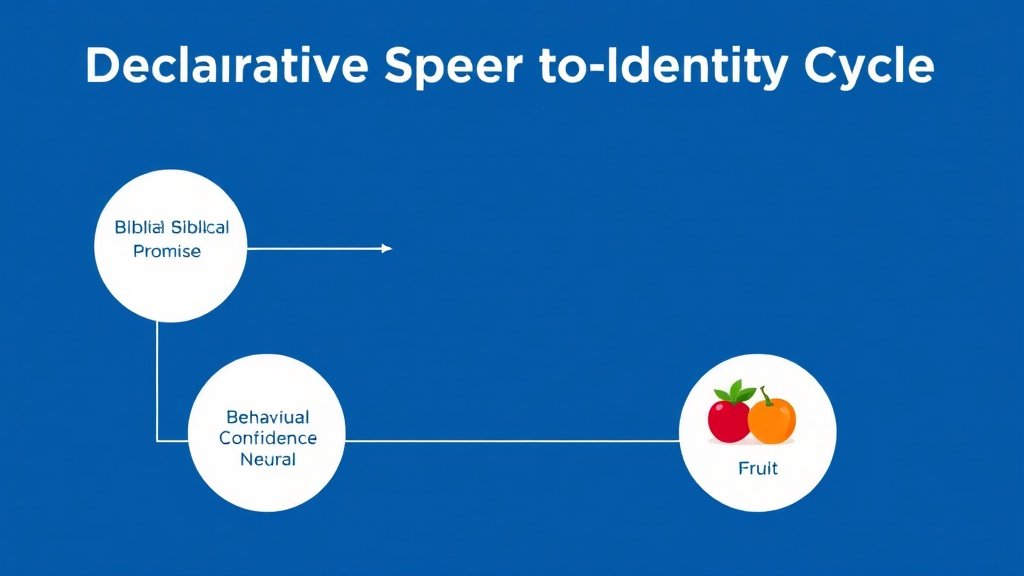
1. The Semantic Theology of Declarative Speech: Words as Spiritual Seeds
At the center of Joel Osteen’s homiletics is the biblical maxim that “death and life are in the power of the tongue” (Proverbs 18:21). Osteen asserts that language is not merely descriptive; it is fundamentally creative. When an individual articulates “I am tired”, “I am broke”, or “I will never succeed”, they are issuing linguistic invitations that reinforce psychological paralysis and spiritual resignation.
Conversely, by intentionally aligning declarations with scriptural promises—”I am blessed”, “I am healthy”, “I am redeemed”, “I am equipped”—one initiates a psychological and spiritual restructuring that primes the mind to perceive opportunities where previously only obstacles were visible.
| Negative Linguistic Pattern | Subconscious Neural Impact | Osteen Transformational Declaration |
|---|---|---|
| “I never get any breaks.” | Primes brain for confirmation bias toward rejection. | “I am surrounded by divine favor; goodness and mercy follow me.” |
| “This illness is going to beat me.” | Depresses physiological resilience and somatic hope. | “I am strong in the Lord; my youth is renewed like the eagles.” |
| “I don’t have the talent or background.” | Reinforces generational imposter syndrome. | “I am fearfully and wonderfully made; I can do all things through Christ.” |
2. Breaking Generational Strongholds: Expanding the Boundary of Possibility
Osteen frequently recounts his father John Osteen’s departure from humble cotton fields in rural Texas to found Lakewood Church. Through this narrative archetype, Osteen encourages listeners to break “generational ceilings”—the invisible psychological boundaries established by familial poverty, chronic dysfunction, or societal low expectations.
- Refuse the Victim Mantle: Acknowledge historical adversity without allowing it to define future identity.
- Protect the Inner Circle: Distinguish between relationships that feed faith versus associations that validate excuses.
- Practice Generous Anticipation: Cultivate an attitude of expectancy, anticipating breakthrough even in dry seasons.
3. Theological Context & Critical Scholarly Discourse
While critics within classical evangelical theology caution against the potential reduction of the Gospel into prosperity-oriented pragmatism, sociological scholars emphasize that Osteen serves a critical pastoral function for millions navigating economic precariousness. His ministry acts as a massive psychological stabilizer, instilling dignity, mental fortitude, and hope in demographics disenfranchised by cynicism.
4. Frequently Asked Questions (FAQ)
What is Lakewood Church?
Lakewood Church, situated in Houston, Texas, is one of the largest non-denominational Christian congregations in the United States, hosting over 45,000 attendees weekly.
What is the primary message of ‘The Power of I Am’?
The book and sermon series argue that what follows ‘I am’ will come looking for you. Speaking life-affirming, biblically grounded words invites blessings, vitality, and emotional victory.
How does Joel Osteen encourage daily discipline?
He advises starting every morning with deliberate declarations of gratitude and faith before engaging with external media, cultivating a serene and fortified mental state.
Related Publications & Curriculum Pillars


Related Research & Authoritative Analyses
- › Is Jesus the Only Way: Cliffe Knechtle on Exclusive Truth, the Resurrection, and Religious Pluralism
- › The Protestant Reformation and Sola Scriptura: Complete Definitive Guide & Analysis (2026)
- › Learning to Pray: Father Spyridon on Orthodox Stillness, Inner Vigilance, and Unceasing Communion with God
- › Seven Deadly Sins and Seven Lively Virtues: Bishop Robert Barron on Pride, Humility, and Spiritual Healing