Executive Briefing: Sadhguru (Jaggi Vasudev), founder of the Isha Foundation, has introduced yogic technologies to over 13 million global followers through Inner Engineering. By demystifying classical Indian metaphysics, his teachings approach the mind not as a psychological dilemma, but as an extraordinarily sophisticated instrument requiring precise conscious calibration rather than compulsive emotional reactivity.
The Anatomy of Compulsion: Disentangling Memory from Consciousness
In classical Yogic physiology, what modern psychology terms personality or temperament is understood as Karma—accumulated subconscious impressions (samskaras) structured across physical, emotional, and psychological memory banks. Sadhguru emphasizes that karma is not punitive fatalism imposed by an external judge, but an automated software program constantly driving unconscious behavioral loops. True spiritual liberation (Mukti) begins when an individual establishes a distinct existential distance between the witnessing consciousness and psychological memory.
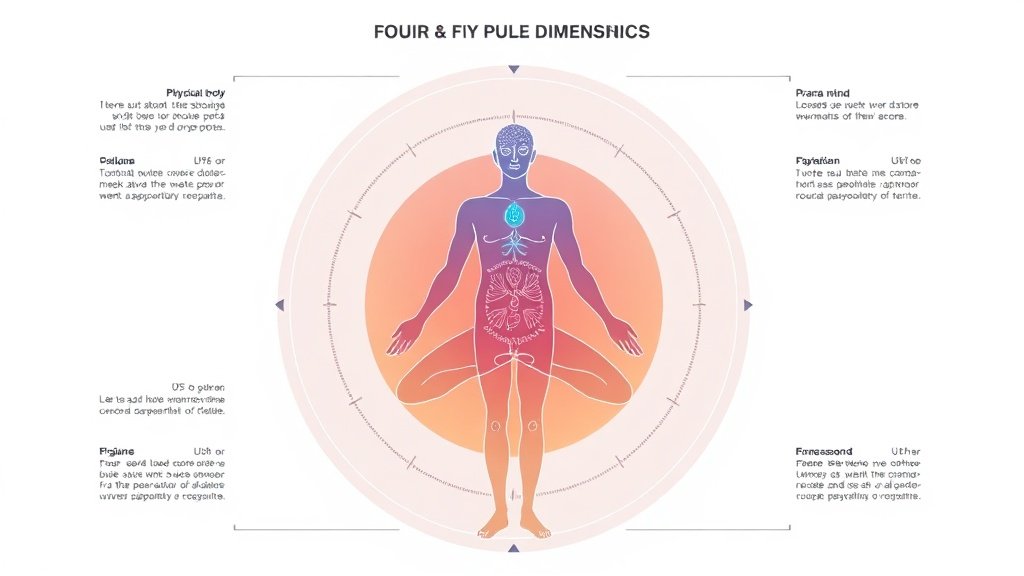
The Four Dimensions of Human Mechanism
To master internal experience, Sadhguru delineates four structural layers that govern human existence:
- Annamaya Kosha (The Food Body): The physical organism formed by accumulated nourishment, serving as the biological anchor.
- Pranamaya Kosha (The Energy Body): The subtle circulatory network of 72,000 Nadis through which vitality and life force (Prana) flow.
- Manomaya Kosha (The Mental Body): The operational memory and intellect processing sensory data and constructing narrative ego.
- Vijnanamaya Kosha (The Etheric Intellect): The intuitive non-dual intelligence serving as the gateway to the blissful core (Anandamaya Kosha).
Shambhavi Mahamudra and Neurobiological Equilibrium
Clinical studies conducted across top medical institutes have validated the physiological impacts of Isha’s cornerstone practice, Shambhavi Mahamudra Kriya. Practitioners demonstrate dramatic increases in heart rate variability (HRV), elevated baseline endocannabinoid levels, and significant downregulation of chronic cortisol production. By aligning breath, bandhas, and attentional focus, internal chemistry transitions from survival mode to profound homeostatic equanimity.
| Psychological Dimension | Compulsive Reaction | Yogic Conscious Alignment | Experiential Result |
|---|---|---|---|
| Mind & Thought | Compulsive rumination | Witness consciousness (Sakshi) | Mental stillness & clarity |
| Emotional Energy | Resentment & anxiety | Devotional surrender (Bhakti) | Emotional exuberance |
| Pranic Vitality | Depleted, scattered energy | Kriya & breath synchronization | Peak physiological vigor |
Frequently Asked Questions (FAQ)
How does Inner Engineering differentiate between pain and suffering?
Pain is an innate physiological mechanism indicating physical damage or bodily constraint; suffering is psychological self-inflicted drama generated when the mind uncontrollably resists reality.
Can Karma be erased through conscious awareness?
While biological memory remains intact, creating existential distance between consciousness and memory prevents past impressions from compulsively determining future reactions.
Related Publications & Curriculum Pillars



Related Research & Authoritative Analyses
- › Advaita Vedanta Teachings: Swami Sarvapriyananda on Pure Consciousness and The True Self
- › Emotional Independence and Thought Control: BK Shivani on Mastering the Mind and Relationships
- › Inner Engineering & Yogic Energy Architecture: Sadhguru on Conscious Life Design & Neurological Bliss 2027
- › Who Am I: Swami Sarvapriyananda on Mandukya Upanishad, the Four States of Consciousness, and Advaita Vedanta