The Alchemy of Happiness & Purifying the Ego: Imam Al-Ghazali on Spiritual Awakening & Inner Metamorphosis 2027
Imam Al-Ghazali demonstrated that true human fulfillment is an internal alchemy: converting the base metal of instinctive bodily desires into the refined gold of divine gnosis (ma’rifah). Through rigorous observation of the four stages of the heart and disciplining the unruly lower self (nafs), the seeker attains perpetual tranquility.
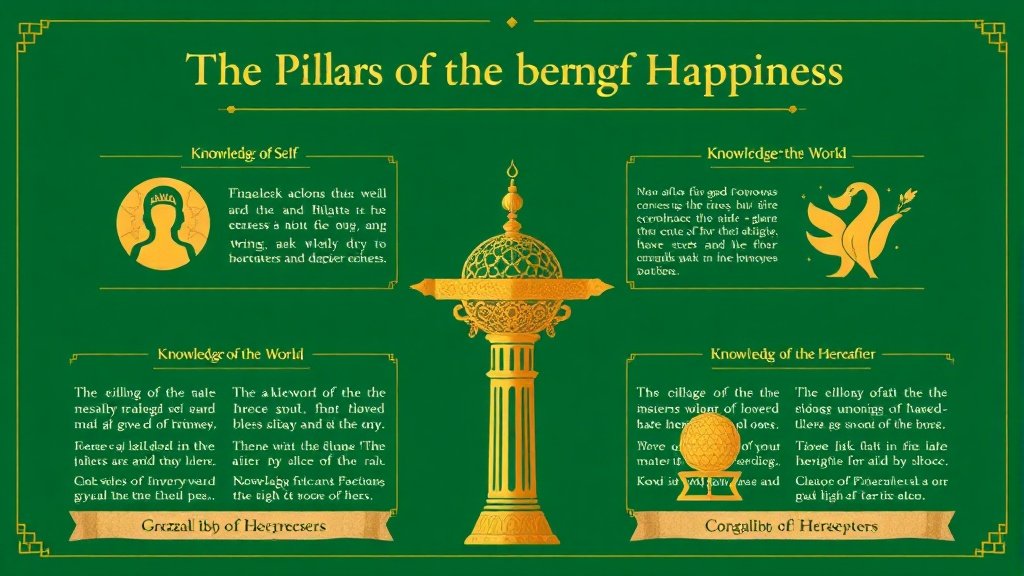
Theological Foundations & Contemporary Relevance
In this landmark discourse, the speaker addresses the core metaphysical and ethical challenges confronting modern seekers. The exposition provides not merely conceptual clarity, but actionable frameworks to navigate spiritual vulnerability, ethical dilemmas, and existential disorientation.
By contrasting transient cultural impulses with enduring scriptural revelation, the discourse constructs a sanctuary of contemplation. The listener is invited into a disciplined re-examination of personal intent (Niyyah / Kavana / Sankalpa), transforming passive cognitive belief into active spiritual practice.
Comparative Theological Paradigm
Practical Daily Application & Spiritual Hygiene
Authentic spiritual pedagogy is measured by its capacity to transform human character and daily conduct. The following principles summarize the immediate behavioral and contemplative commitments required of sincere seekers:
- Morning Contemplative Alignment: Devoting the first waking moments to prayer, sacred study, and meditation prior to engaging with digital stimuli or occupational demands.
- Mindful Guarding of Speech: Rigorously avoiding gossip, idle argumentation, and deceit, consciously speaking only what is truthful, beneficial, and necessary.
- Sacred Acts of Charitable Service: Anchoring metaphysical conviction in tangible physical generosity, uplifting those enduring financial deprivation or emotional isolation.
Frequently Asked Doctrinal & Practical Questions
What is the core premise of Al-Ghazali’s ‘Alchemy of Happiness’?
Ghazali argues that just as chemical alchemy aims to turn copper into gold, spiritual alchemy transmutes animal passions and demonic egoism into pure angelic virtues through self-knowledge and divine devotion.
How does Ghazali classify the stages of the human soul (Nafs)?
He traces the soul’s ascent from the Lower Self that commands evil (Nafs al-Ammarah), through the Self-Accusing Conscience (Nafs al-Lawwamah), to the Soul at Rest in Divine Peace (Nafs al-Mutma’innah).
Related Publications & Curriculum Pillars



Related Research & Authoritative Analyses
- › Angels in Your Presence: Dr Omar Suleiman on Guardian Angels, Kiraman Katibin, and Divine Protection
- › Kitab-o-Sunnat Ki Dawat Aur Firqa Wariat Ka Ilaj: Engineer Muhammad Ali Mirza
- › Dealing with Anxiety and Fear in Islam: Mufti Menk on Finding Peace, Sabr and Mental Tranquility
- › Moral Courage & Prophetic Justice: Dr. Omar Suleiman on Spiritual Resilience, Systematic Compassion & Sacred Activism 2027